


Benchmark ...
The Measure of Excellence®
Benchmark Media Systems®
As our name implies, we are committed to excellence.
Benchmark products are designed and built by audio enthusiasts. We are musicians, audiophiles and audio professionals who are passionate about audio quality. We also are passionate about the durability and build quality of our products. We engineer, manufacture, service, and ship from our headquarters in New York State, where we have been located for over 40 years.
We are Benchmark Media Systems, Inc.
More about usYou Have Direct Access
You can call us, email us, or chat with us. We will take the time to assist you before and after the sale. Most customers within the USA and Canada order direct. Other regions of the world are served by our distributor and dealer networks.
Buy DirectDual-Purpose, Dual-Certified Products
Benchmark products are sold to recording studios, mastering rooms, HiFi enthusiasts, and home theater custom integrators. All Benchmark products are tested and certified for operation in both professional and home environments. When you buy a Benchmark product for home use, you are buying the exact product that is used in many top-tier professional studios.
Absolute Transparency
Our goal is to deliver music to the speakers without adding electronic “fingerprints”. In our opinion, playback electronics should be completely invisible to the listening experience.
We want you to experience your music exactly as it was captured in the studio or live venue.
The playback electronics should not change the sound of a saxophone, clutter the stereo image, or alter the unique
characteristics of a singer’s voice.

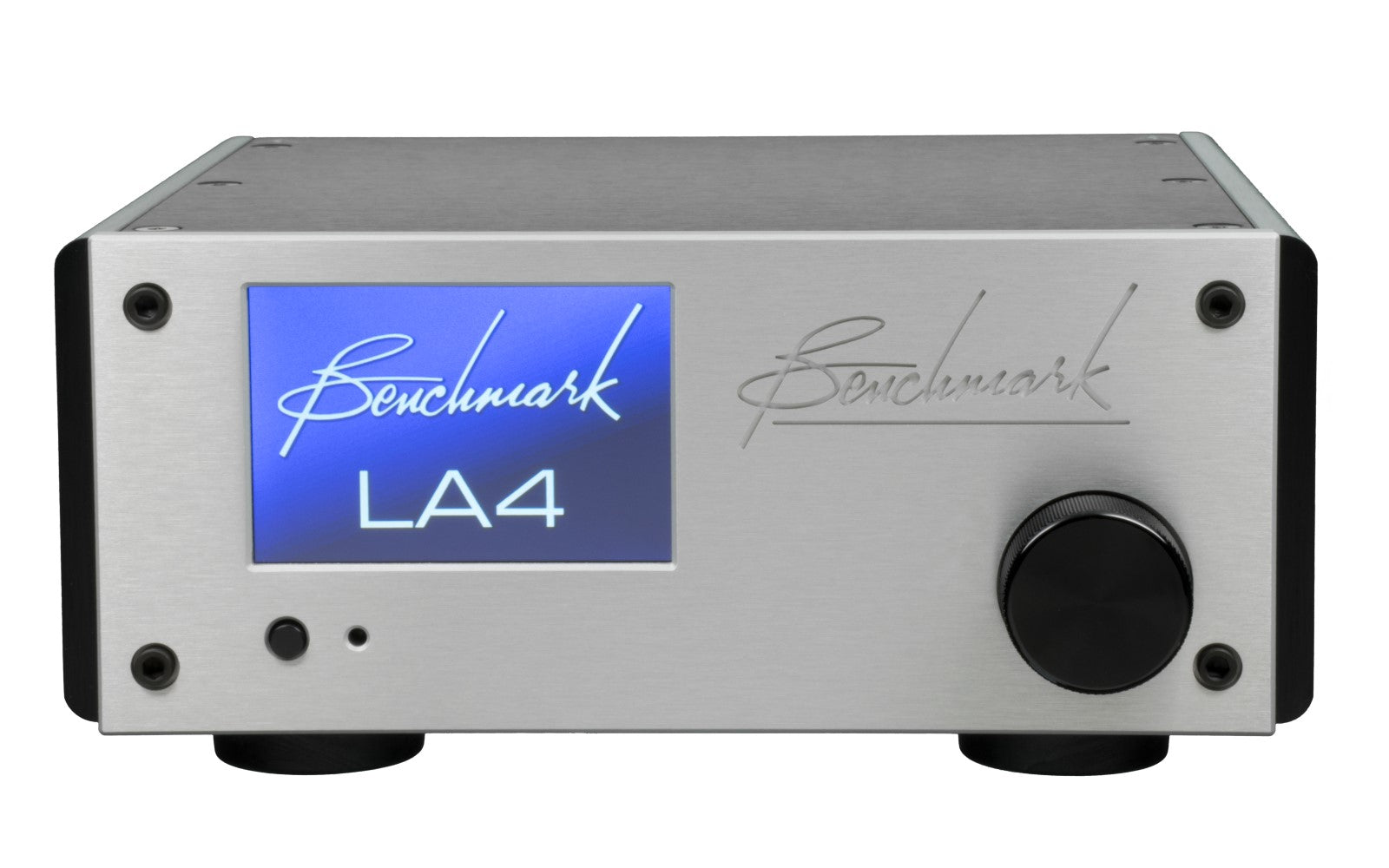
LA4 Line Amplifier
The Ultimate Line-Level Preamplifier
Relay-Controlled Volume

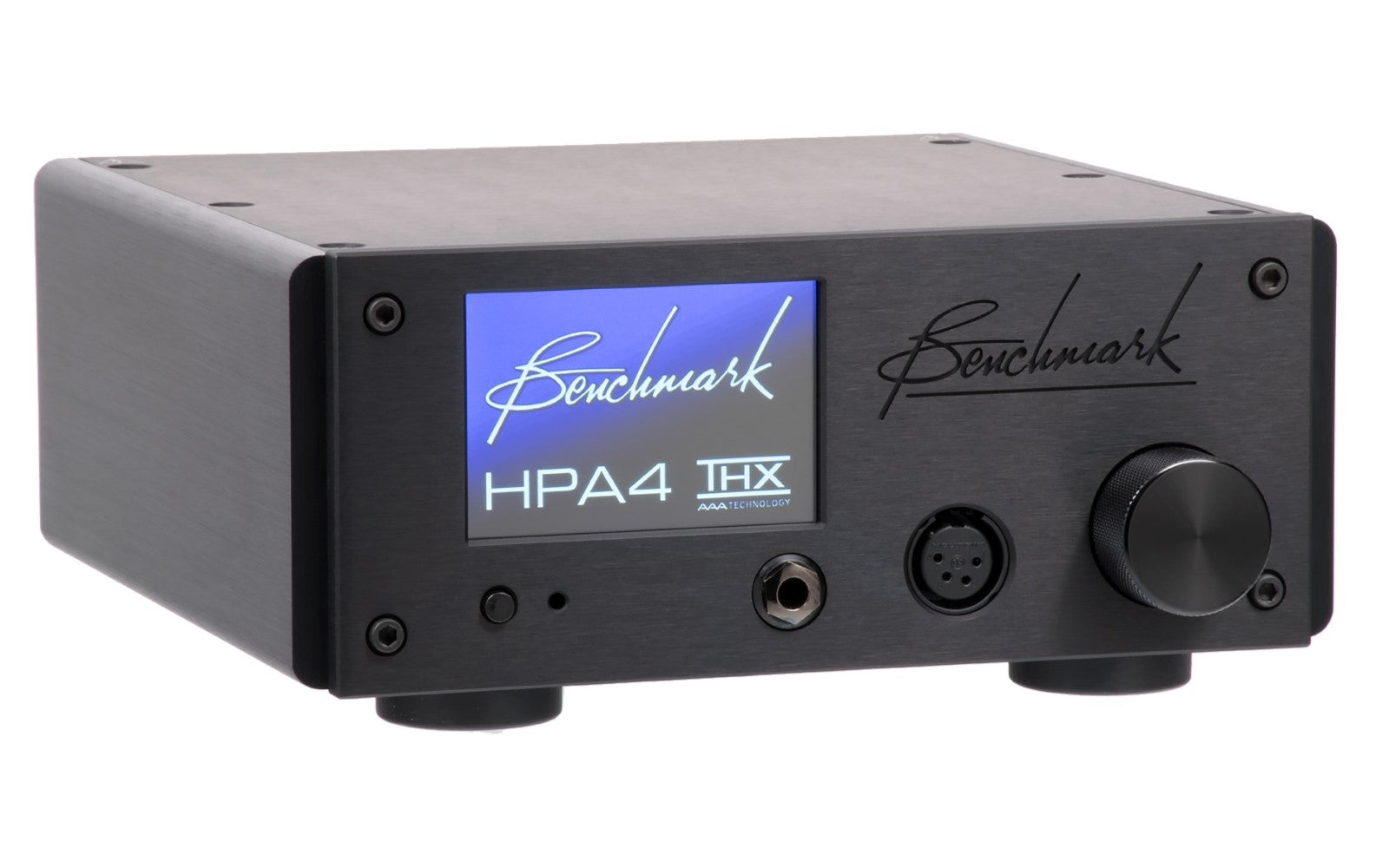
HPA4 Headphone Amplifier
High-Power THX-888 Headphone Amplifier
Feed-Forward Error Correction
Relay-Controlled Volume

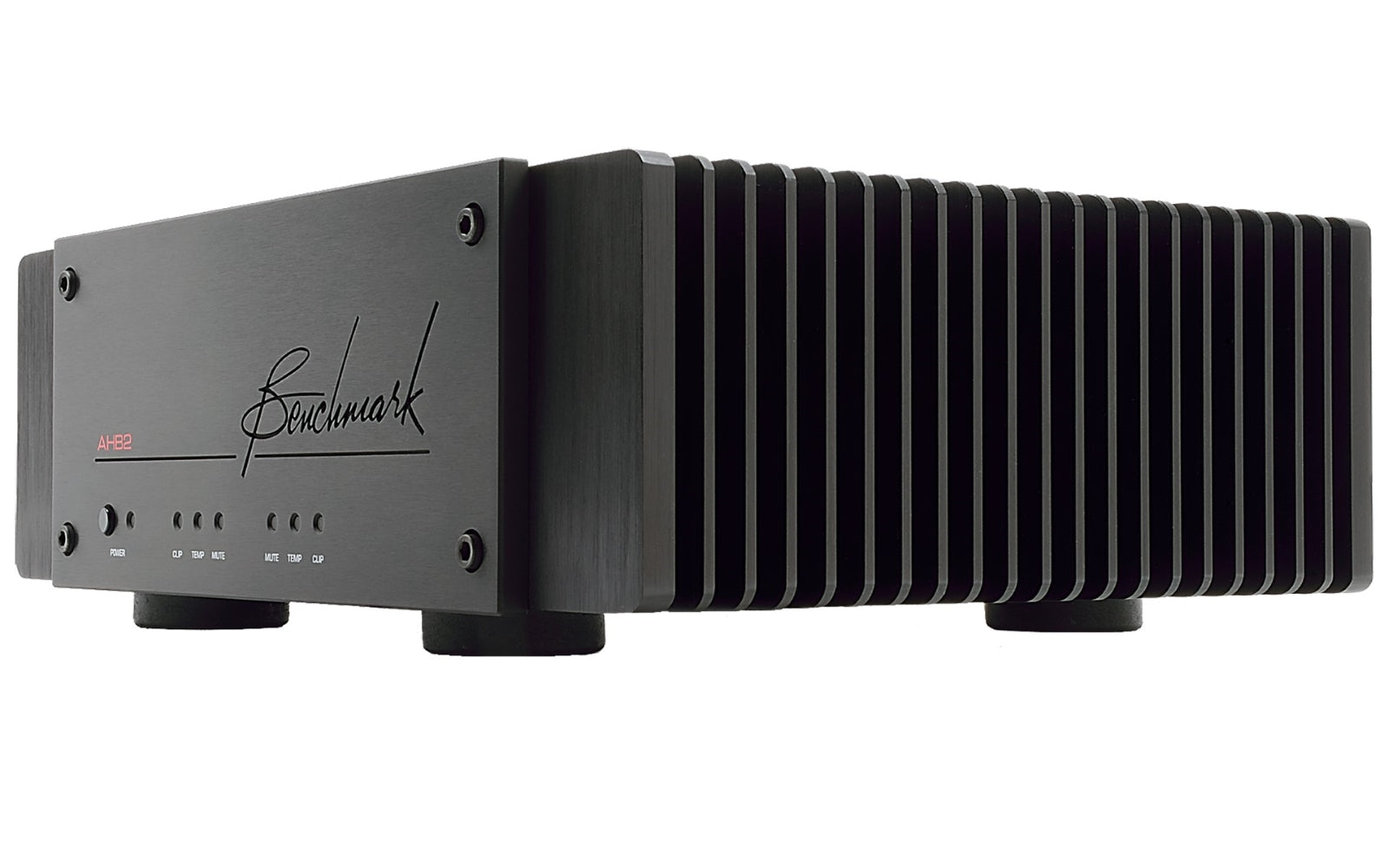
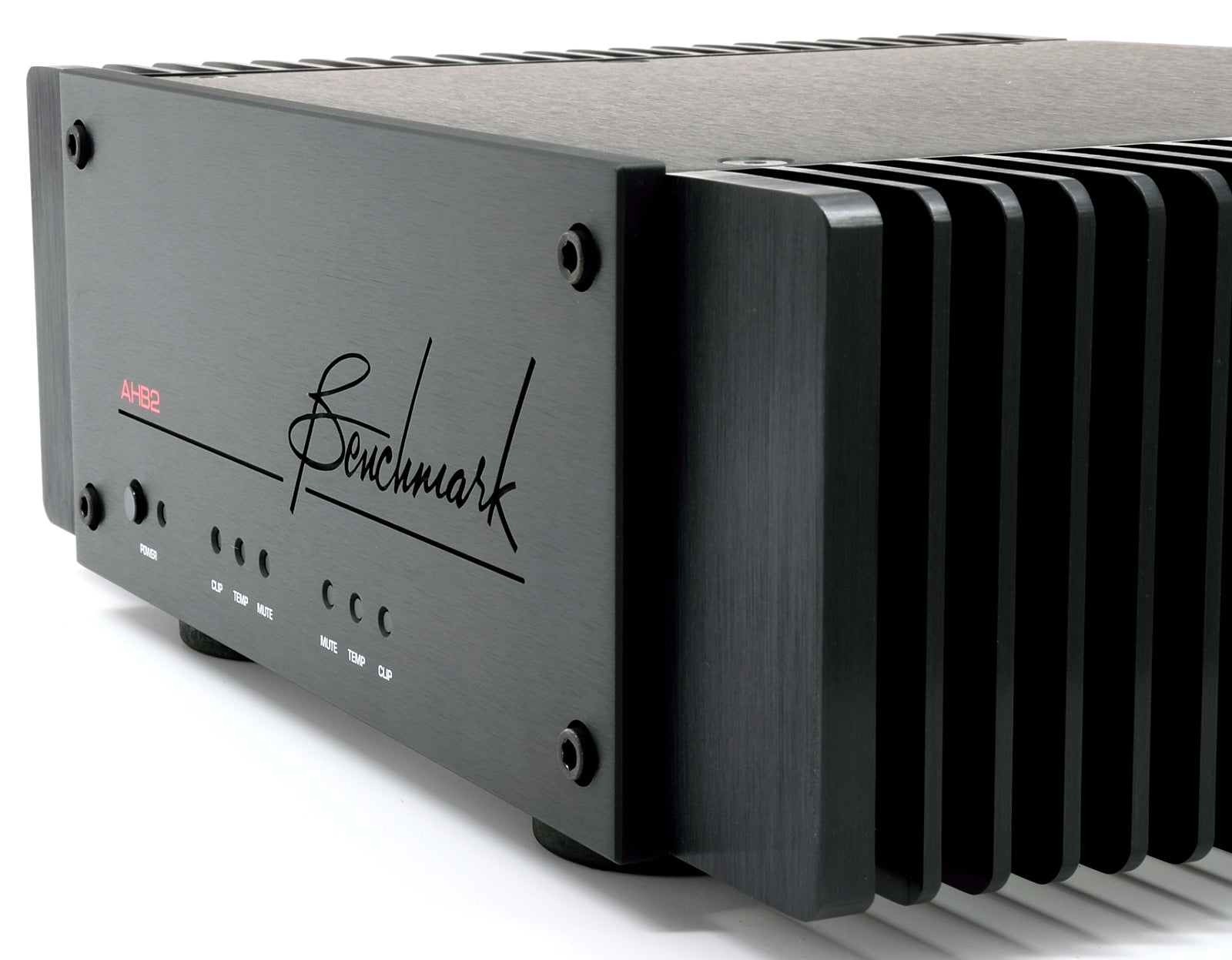
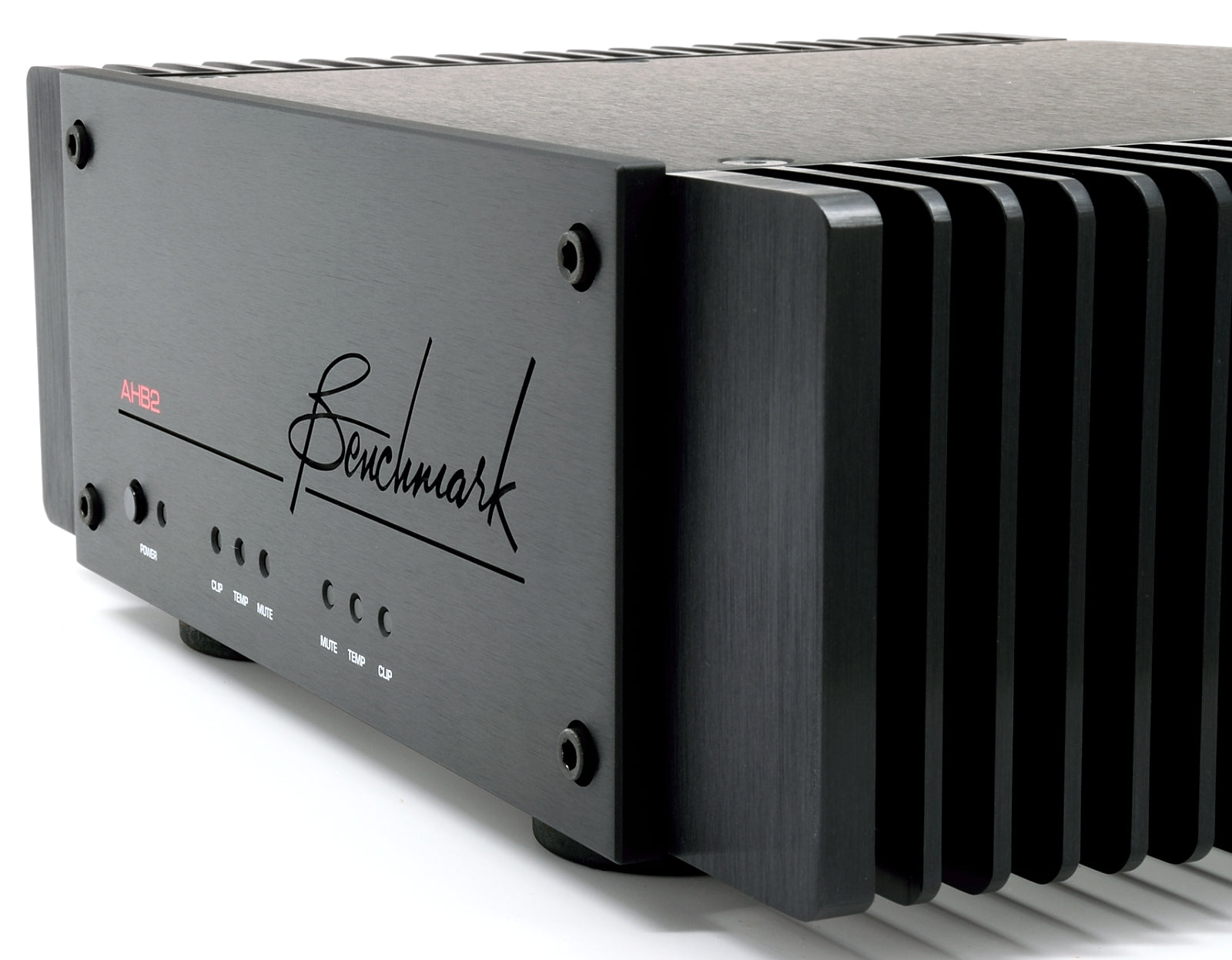
AHB2 Power Amplifier
The cleanest quietest amplifier on the planet.

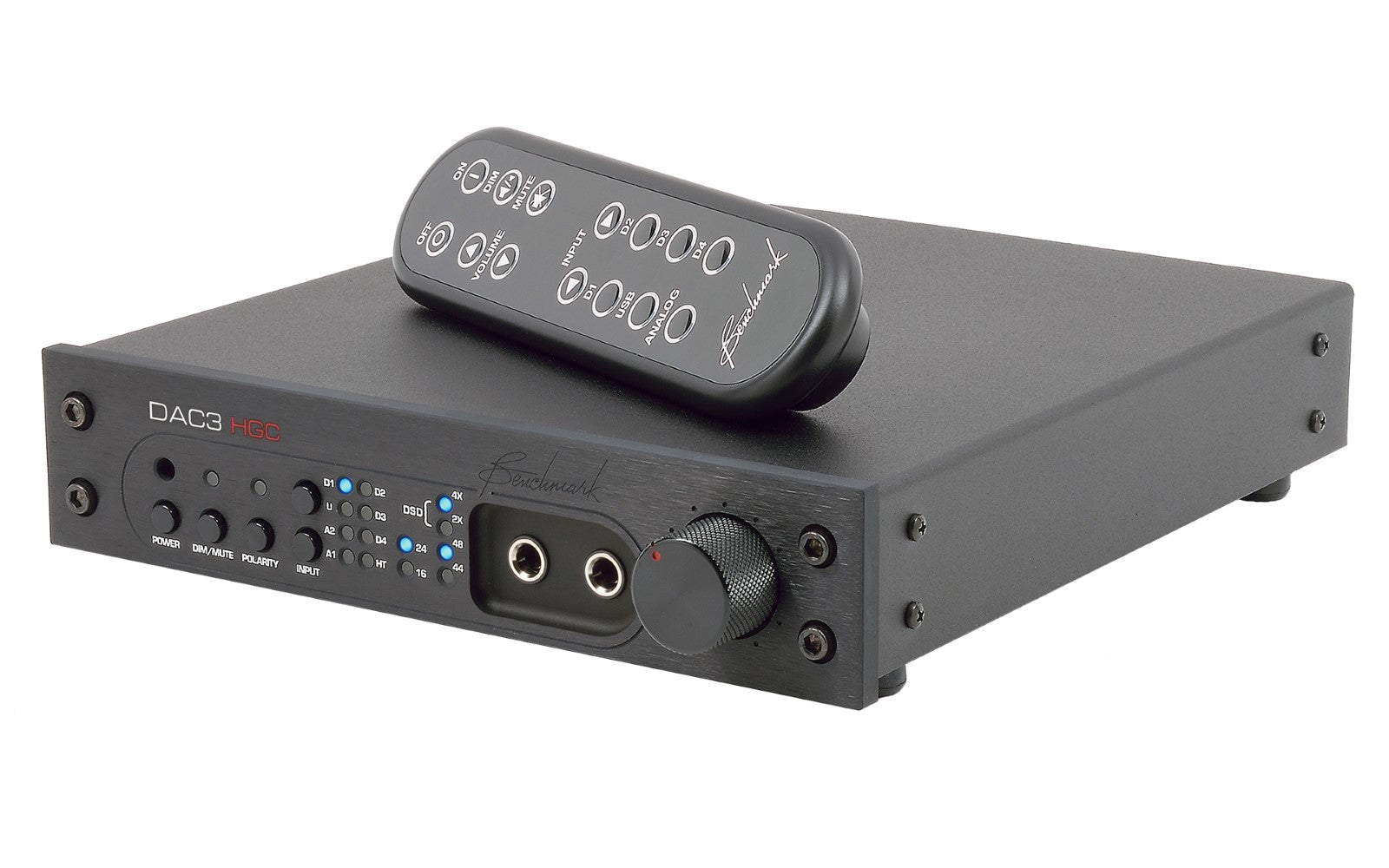
DAC3 D/A Converters
Professional Audio Conversion for Studio and Home Use

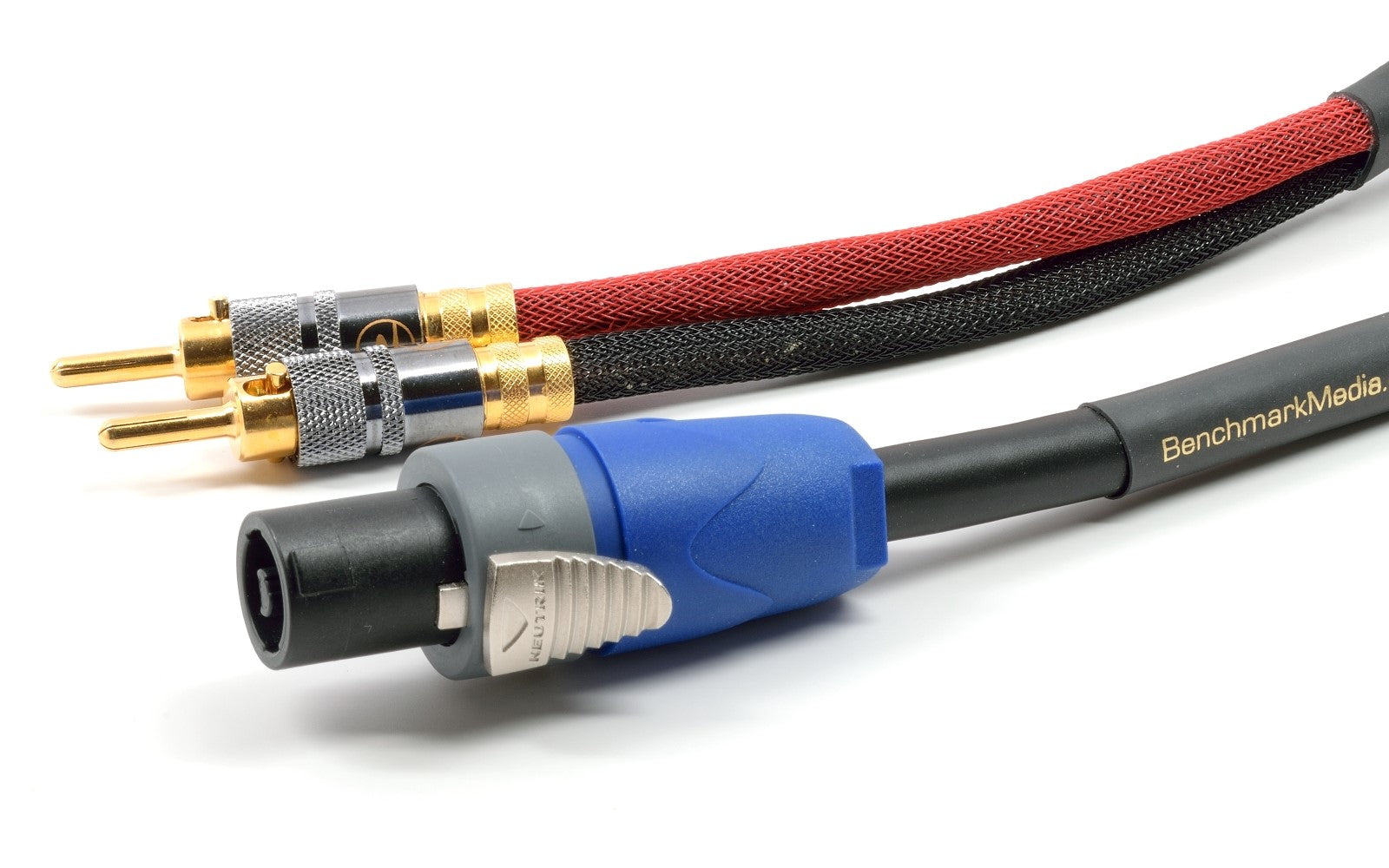
Cables
Benchmark Studio&Stage™ Cables
Pro Performance and Durability
No Hi-Fi Snake Oil!

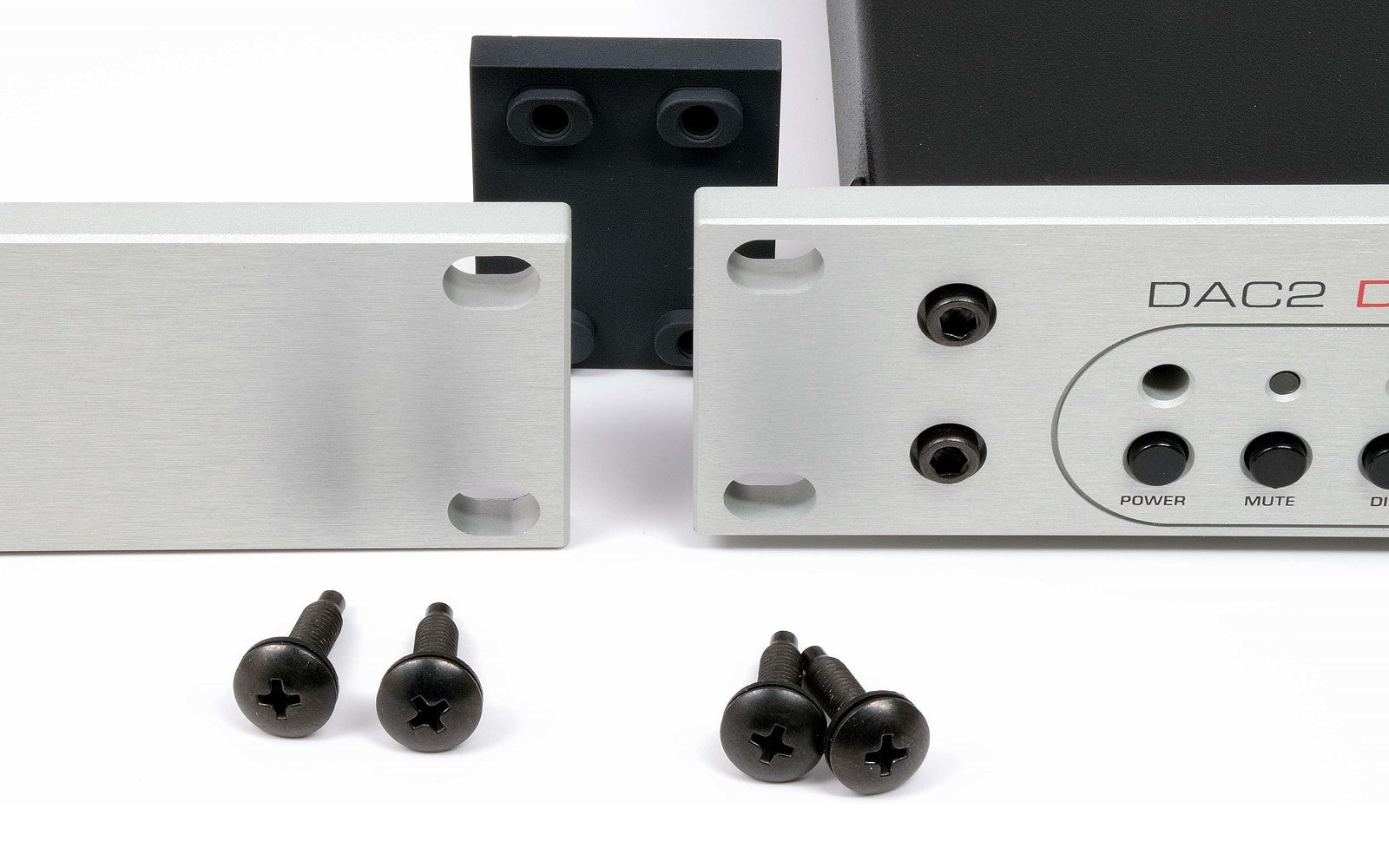
Accessories


Award-Winning Products
Benchmark Products Continue to Win Award after Award!

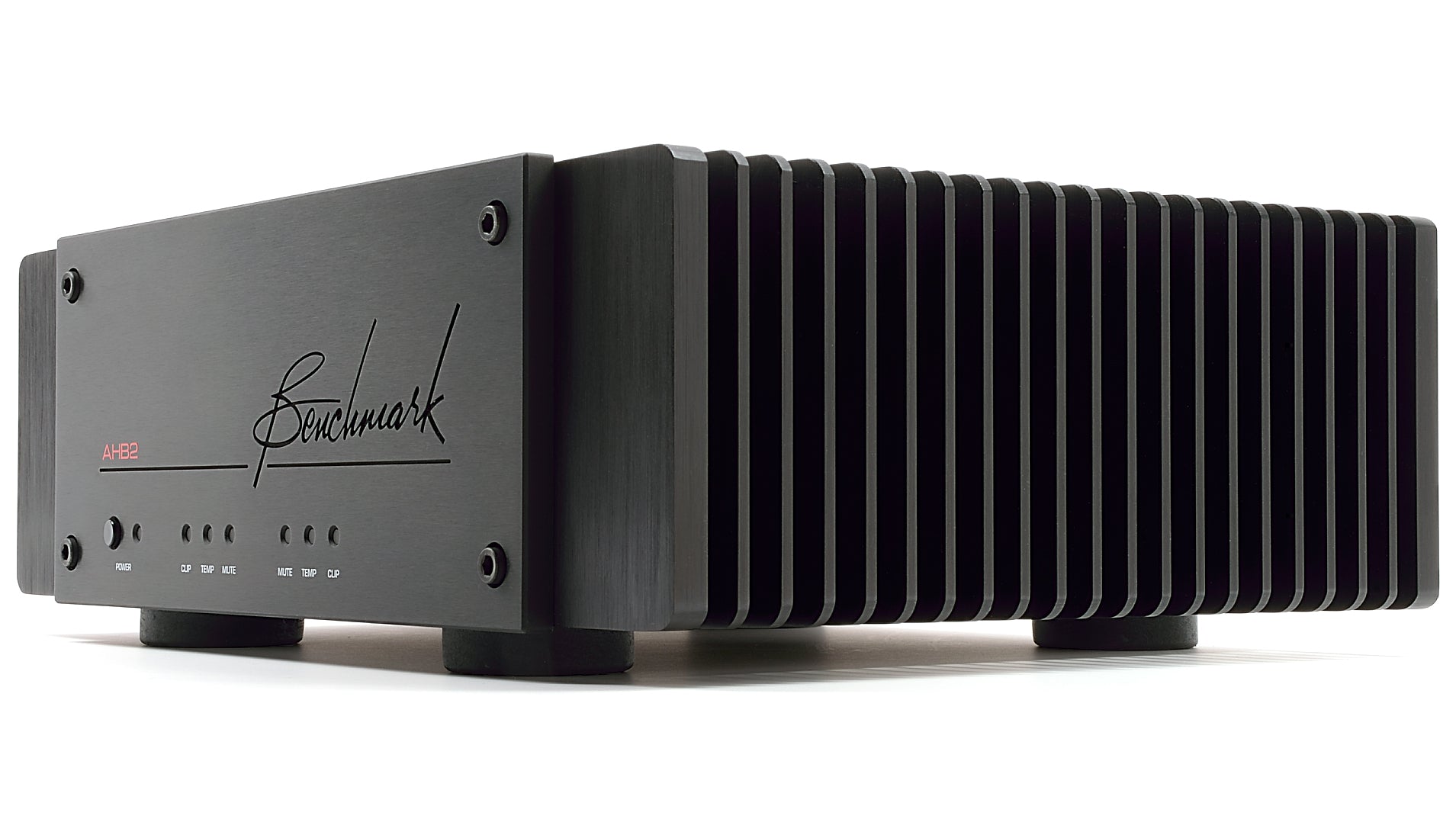


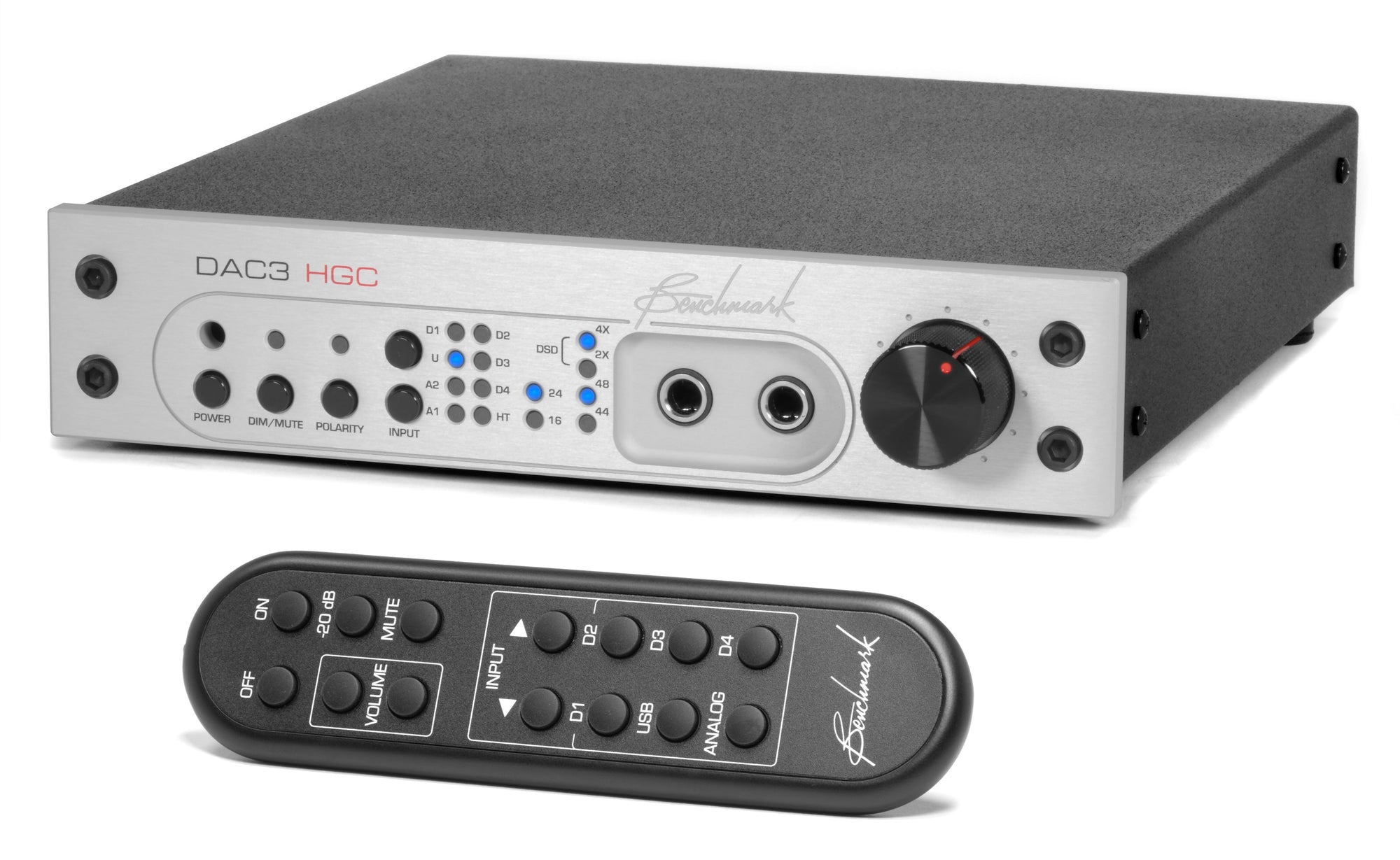


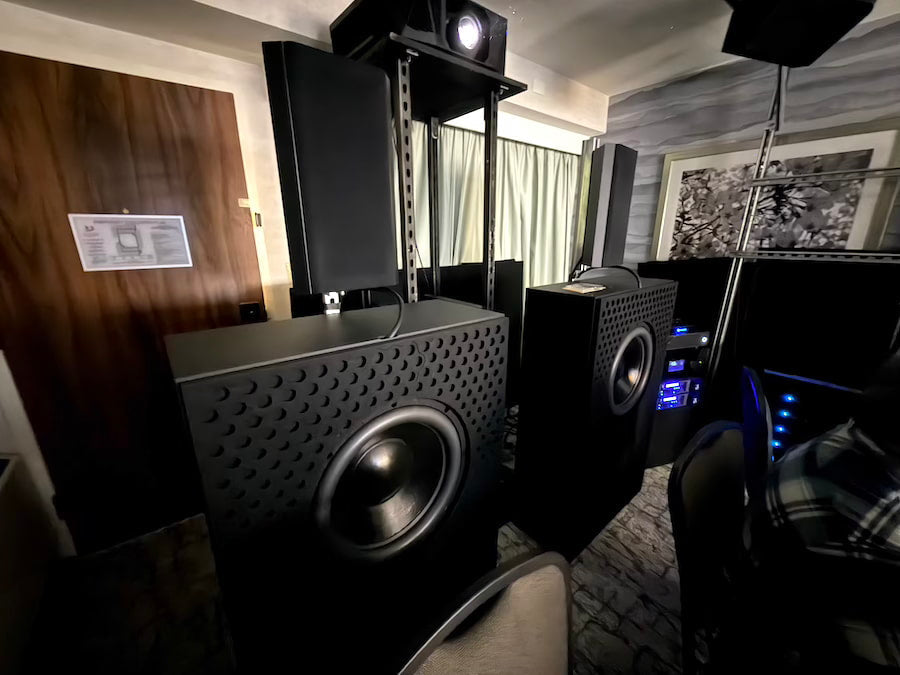

CAF 2025 Best of Show - Krix Home Theater - Powered by Benchmark

"The setup used ... ten Benchmark AHB2 amps, and a Storm Audio ISP Elite 24 MK3 surround processor."
"The system delivered serious punch and clarity."
"During the car chase and gunfight sequence from No Time to Die, the Krix setup managed to convey the intensity and scale of a far larger theater—tight, immersive, and controlled. Proof that with the right engineering and setup, even a small room can deliver big-cinema energy."
- Brian Mitchell, ecoustics.com

AHB2 - Stereophile 2025 Recommended Component - Power Amplifiers


AHB2 - Receives Stereophile's Top Rating for Power Amplifiers
"An extraordinary amplifier."
- John Atkinson
"Much more apparent low-level detail in already-familiar recordings"
- Kalman Rubinson
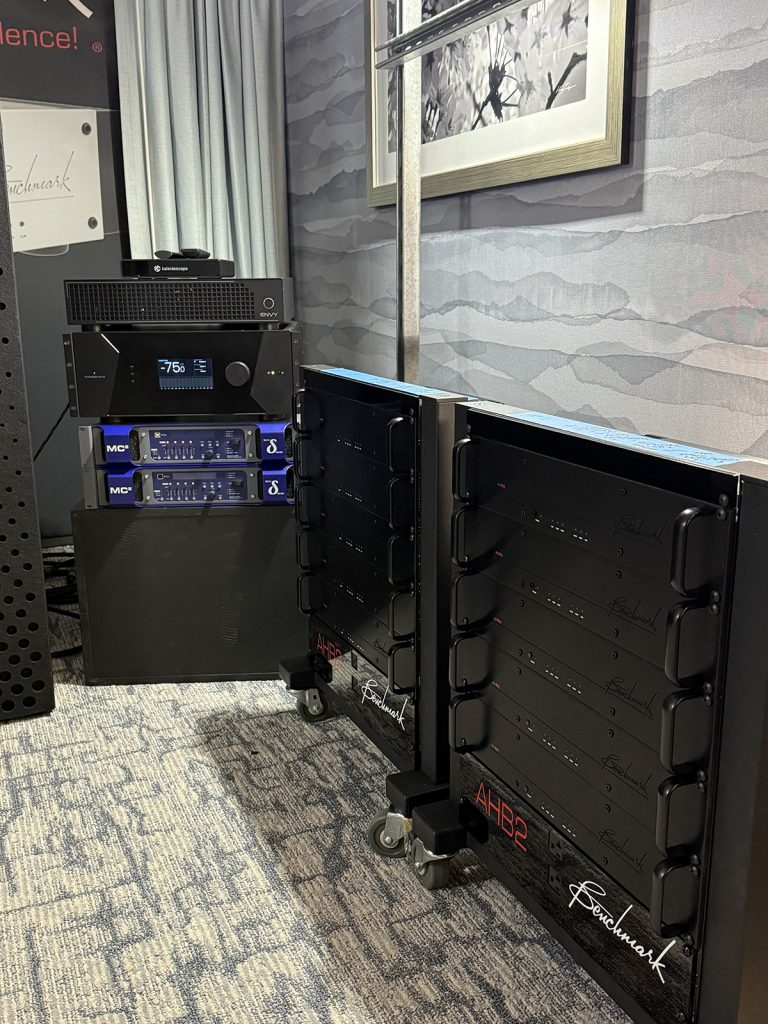

KRIX 11.6.6 Home Theater - Powered by 10 Benchmark AHB2 Amplifiers - CAF 2025
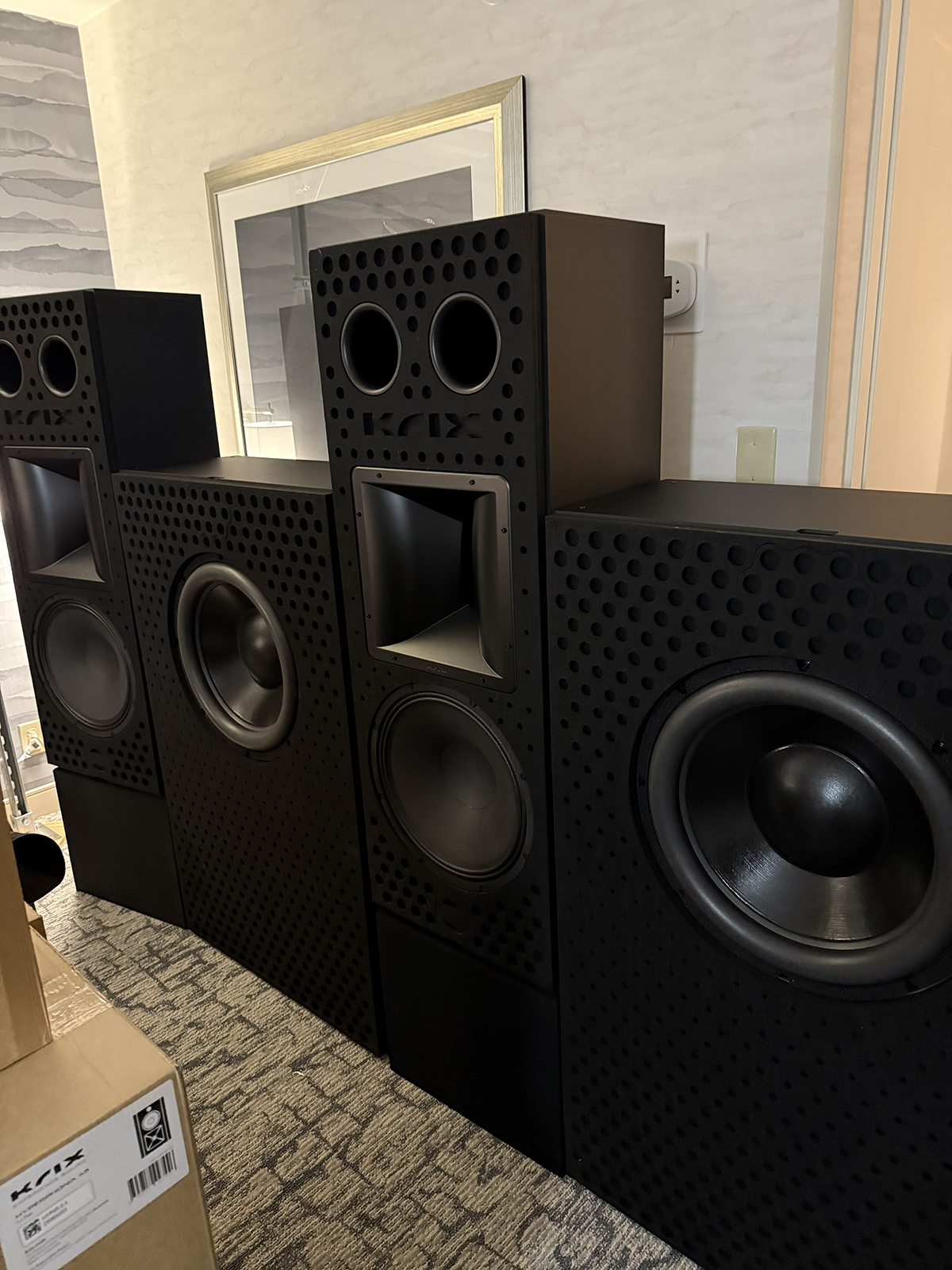 "The final visual and audio results in this room were indeed spectacular."
"Complete and total immersion, with clean, clear sonics that were not fatiguing at all."
- Carlo Lo Raso, SECRETS of Home Theater and High Fidelity


How Loud is the Distortion from Your Power Amplifier?
Would you put a Washing Machine in your Listening Room?
If the answer is no, you may be surprised to discover that the distortion produced by your power amplifier may be louder than the noise produced by a major appliance.
Don't believe me? Take a look at Stereophile's test reports:
We selected 7 power amplifiers from Stereophile's top list of recommended amplifiers.
We took Stereophile's "THD+N vs. Power" plots for each, and replotted the data in a format that shows the loudness of the THD+N at the listening position.
The results are shocking!
Amplifier THD+N is louder than expected!
The distortion from your amplifier may be louder than a washing machine on the spin cycle, or it may be totally silent. How does yours perform? The answer is hidden in Stereophile's THD+N plots.
This application note reveals the hidden truth:
"The Distortion from your Power Amplifier may be Louder than a Washing Machine!"
I know, it sounds crazy, but this is what the measurements show!
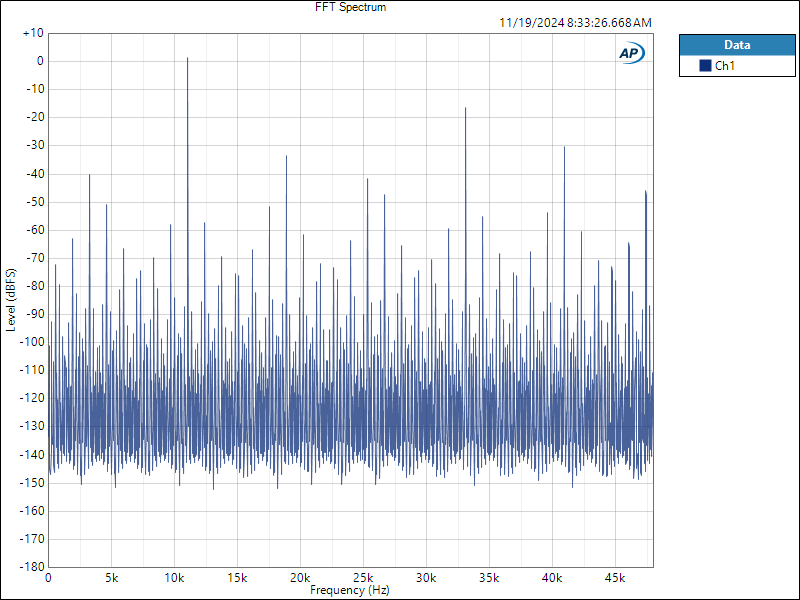

Interpolator Overload Distortion
Most digital playback devices include digital interpolators. These interpolators increase the sample rate of the incoming audio to improve the performance of the playback system. Interpolators are essential in oversampled sigma-delta D/A converters, and in sample rate converters. In general, interpolators have vastly improved the performance of audio D/A converters by eliminating the need for analog brick wall filters. Nevertheless, digital interpolators have brick wall digital filters that can produce unique distortion signatures when they are overloaded.
10% Distortion
An interpolator that performs wonderfully when tested with standard test tones, may overload severely when playing the inter-sample musical peaks that are captured on a typical CD. In our tests, we observed THD+N levels exceeding 10% while interpolator overloads were occurring. The highest levels were produced by devices that included ASRC sample rate converters.
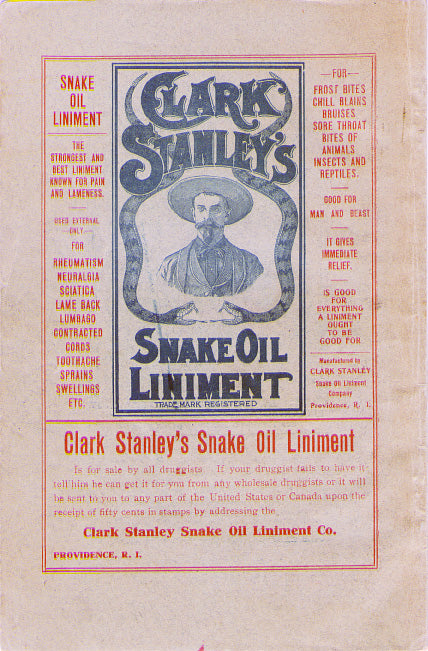
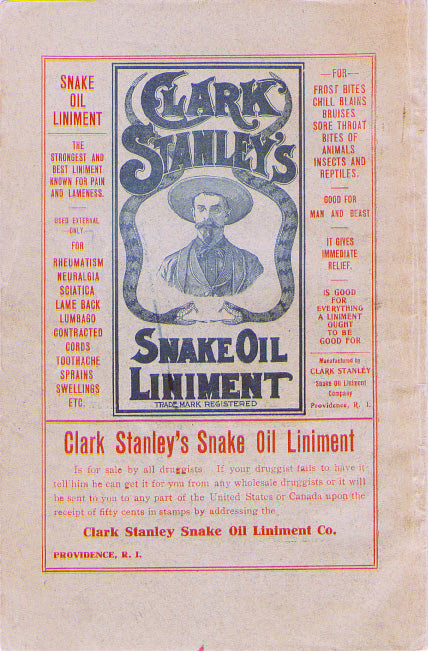
Audiophile Snake Oil
The Audiophile Wild West
Audiophiles live in the wild west. $495 will buy an "audiophile fuse" to replace the $1 generic fuse that came in your audio amplifier. $10,000 will buy a set of "audiophile speaker cables" to replace the $20 wires you purchased at the local hardware store. We are told that these $10,000 cables can be improved if we add a set of $300 "cable elevators" to dampen vibrations. You didn't even know that you needed elevators! And let's not forget to budget at least $200 for each of the "isolation platforms" we will need under our electronic components. Furthermore, it seems that any so-called "audiophile power cord" that costs less than $100, does not belong in a high-end system. And, if cost is no object, there are premium versions of each that can be purchased by the most discerning customers. A top-of-the line power cord could run $5000. One magazine claims that "the majority of listeners were able to hear the difference between a $5 power cable and a $5,000 power cord". Can you hear the difference? If not, are you really an audiophile?